

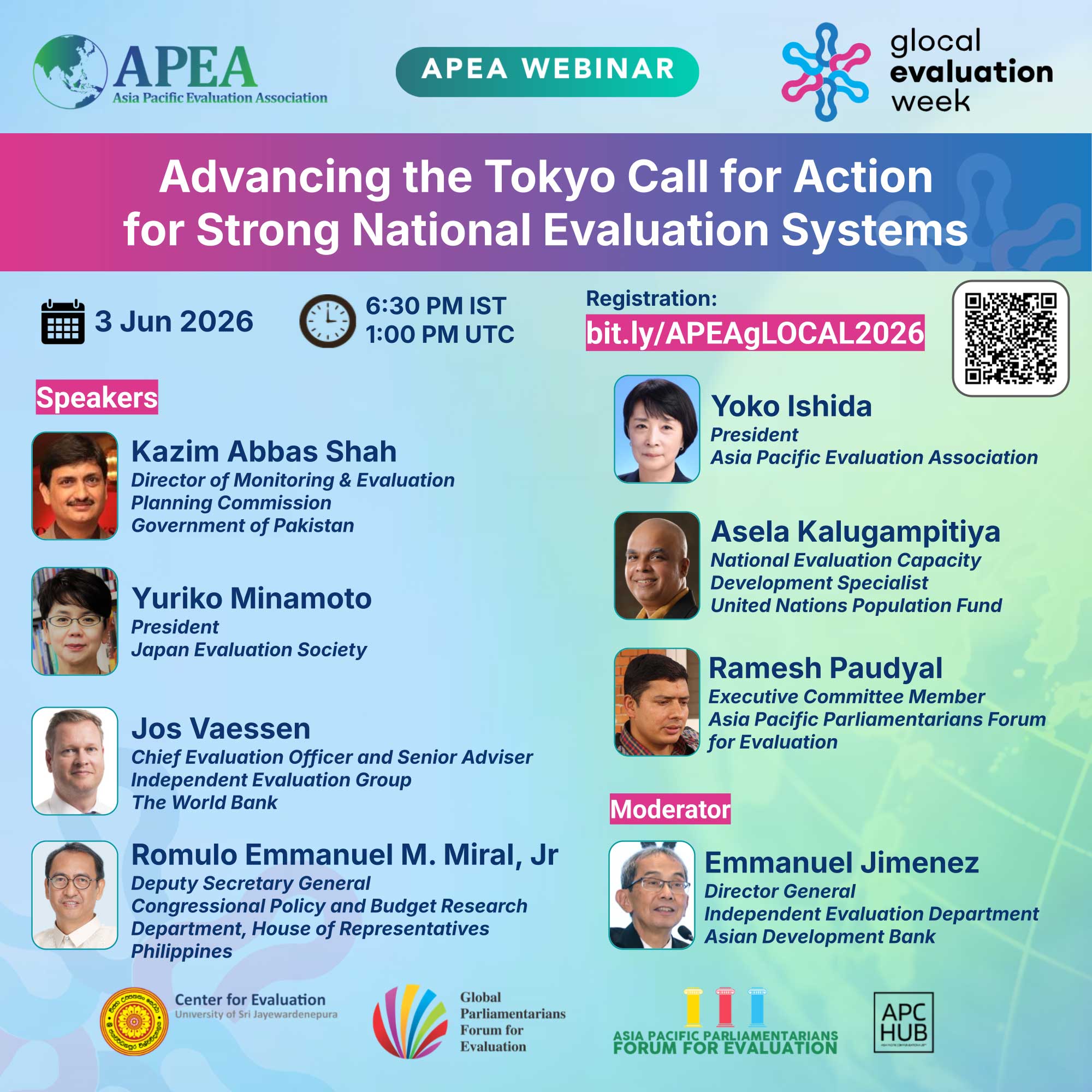
The Tokyo Call for Action, issued at the 5th APEA Conference in November 2025, reaffirms the Asia Pacific evaluation community’s commitment to institutionalizing evaluation as a foundation for evidence-based, democratic, and accountable governance. Building on the Colombo Declaration on Evaluation and the Manila Declaration on the Institutionalization of Evaluation, as well as global commitments such as the Global Evaluation Agenda 2.0 and CEval findings, it underscores the need for strong political will, comprehensive regulations, participatory evaluation, and robust M&E systems across sectors. The Call urges governments, parliaments, VOPEs, academia, civil society, and development partners to strengthen legal and institutional frameworks, promote transparency, enhance citizen engagement, professionalize the evaluation workforce, and expand competency-based academic programmes, creating a coordinated, sustainable ecosystem where evaluation informs policy, strengthens democracy, and advances sustainable development.

The Colombo Declaration
Colombo Declaration on parliamentarians commitment for evaluation
2018
The Manila Declaration
The Manila Declaration signifies a major commitment to institutionalizing M&E for the 2030 SDGs
2023
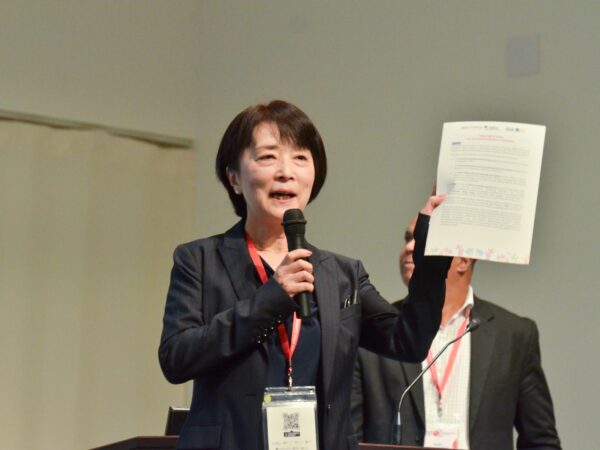
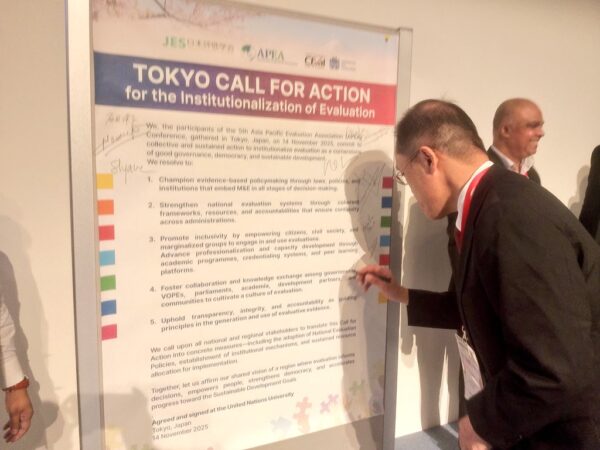
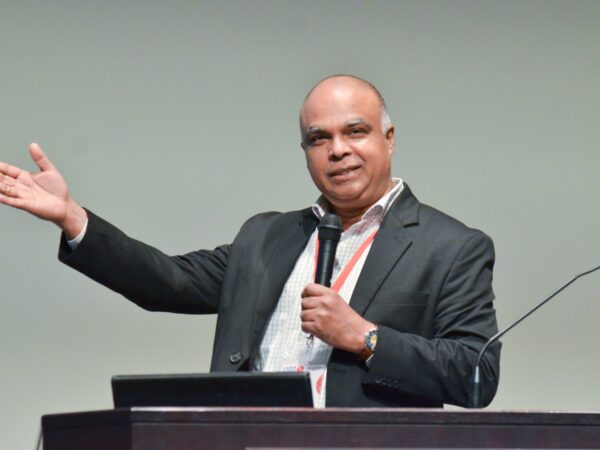
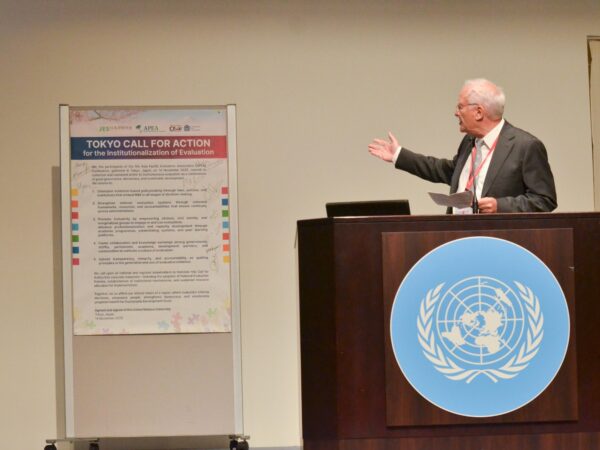
Tokyo Call for Action
for the Institutionalization of Evaluation
We, the participants of the 5th Asia Pacific Evaluation Association (APEA) Conference, gathered in Tokyo, Japan, on 14 November 2025, commit to collective and sustained action to institutionalize evaluation as a cornerstone of good governance, democracy, and sustainable development.
We resolve to:
- Champion evidence-based policymaking through laws, policies, and institutions that embed M&E in all stages of decision-making.
- Strengthen national evaluation systems through coherent frameworks, resources, and accountabilities that ensure continuity across administrations.
- Promote inclusivity by empowering citizens, indigenous peoples, civil society, and marginalized groups to engage in and use evaluations.
- Advance professionalization and capacity development through academic programmes, credentialing systems, and peer learning platforms.
- Foster collaboration and knowledge exchange among governments, VOPEs, parliaments, academia, development partners, the private sector, media, and communities to cultivate a culture of evaluation.
- Uphold transparency, integrity, and accountability as guiding principles in the generation and use of evaluative evidence.
We call upon all national and regional stakeholders to translate this Call for Action into concrete measures—including the adoption of National Evaluation Policies, establishment of institutional mechanisms, and sustained resource allocation for implementation.
.
Together, let us affirm our shared vision of a region where evaluation informs decisions, empowers people, strengthens democracy, and accelerates progress toward the Sustainable Development Goals.
.
Agreed and signed at the United Nations University
Tokyo, Japan
14 November 2025
The Signatories of the Tokyo Call for Action
| Name | Organization |
|---|---|
| ARAI Kazuhisa | Ministry of Foreign Affairs Japan |
| Nokhoijav Battsetseg | YOHI CO LTD |
| Habib Ahmad | Helping Hand for Releif & Development |
| Sanath Manage | Save the Children |
| Rajib Nandi | Community of Evaluators South Asia |
| Dea Tsartsidze | The University of Georgia; Solution Alternatives International (SAI) |
| Arshee Rizvi | Development Intelligence Unit |
| Oludotun Babayemi | Cloneshouse |
| Asela Kalugampitiya | UNFPA |
| Qudrat Jahid | Asia Pacific Evaluation Association |
| Yatin Diwakar | Evaluation Community of India |
| Randika De Mel | Asia Pacific Evaluation Association |
| Ahmad Rijal | Asia Pacific Evaluation Association |
| Aki YONEHARA | Toyo University |
| Nimesha Gunasinghe | Sri Lanka Evaluation Association |
| Jigme Sonam | Asia Pacific Evaluation Association |
| Stefan Silvestrini | CEval GmbH, Germany |
| Brad Astbury | University of Melbourne, Australia |
| Maria Patricia Carolino | Nagoya University, Japan |
| Yohei Kobayashi | Mitsubishi UFJ Research & Consulting |
| Shyam Singh | Institute of Rural Management Anand, Gujarat, India |
| Sharmin Jahan | Start Network Bangladesh |
| Tom Johnson | Whakauae Research Services |
| Bhim Kumar Shrestha | Vanasthali |
| Romulo Emmanuel Miral Jr. | House of Representatives, Congress of the Philippines |
| Astha Shrestha | EvalYouth Nepal |
| Odgerel | Social policy development research institute |
| Kiri Parata | Australian Evaluation Society Member |
| Mylvaganam Thilakarajah | Sri Lanka Parliamentarians Forum for evaluation |
| Prakash Pantha | Federal Parliament, Nepal |
| Hiroshi Niino | National University Corporation Kochi University,Japan |
| Rituu B Nanda | Participatory Practices Facilitator |
| Ada Ocampo | IDEAS – International Development Evaluation Association |
| Tatheer Zehra | Action Contre La Faim |
| Anita Siti Fatonah | EvalYouth Indonesia |
| Daniel Essel | Transforming Teaching, Education and Learning (T-TEL) |
| Himmat Kharoti | WOMEN CSO |
| Logenthiran Veneka | The Asia Foundation Sri Lanka |
| Reinhard Stockmann | Center for Evaluation |
| Ratnayu Sitaresmi | Indonesia Development Evaluation Community (InDEC) |
| Ramesh Paudyal | Madhyapur Thimi-7, Bode, Nepal |
| Ygainnia Hamandawana | UNESCO |
| Bruna Badr | Trocaire |
| Erdenechimeg (Chimgee) Ulziisuren | Mongolian Evaluation Association |
| Surya Laxmi Bajracharya | United Nations Development Program |
| Anindita Sharma | Aartha |
| Samriti Maharjan | EvalYouth Nepal |
| Man Bahadur Lama | Nepal Evaluation Society |
| Vera Hennefeld | CEval GmbH, Germany |
| Maaimoa Mafileo | Save the Children |
| Awuor PONGE, PhD | African Policy Centre (APC) |
| GHISLAIN TAGNE NDEFO | 22 RUE DU CROISEUR |
| Bhuban Bajra Bajracharya | Nepal Evaluation Society |
| Matthias Klapproth | CEval GmbH |
| Chandrakala Basnet | Gandaki Province Assembly, Pokhara, Nepal |
| Tanja Stockmann | Center for Evaluation, Saarland University |
| Phuntsho Choden | Evaluation Association Of Bhutan |
| Nurulnabillah Ahmad Hijazu | Evalyouth Malaysia |
| MD. SUMAN MIAH | Ministry of Land, Bangladesh |
| Amol Shaila Suresh | London School of Economics and Political Science |
| Meghana Ray | Heedlab, LLC |
| Serge Eric Yakeu Djiam | EvalIndigenous |
| Esther Nolton | Everstead Strategies |
| Carmela Jessica Corado | Engaging and Empowering Nation Builders in Learning, Research, and Social Entrepreneurship, Inc. |
| Dhruba Paudyal | Freelance |
| Hansjörg Gaus | CEval GmbH |
| Scott Chaplowe | International Evaluation Academy |
| Mahira Rafique | Provincial Assembly of the Punjab, Pakistan |
| Sanuri Trikawalagoda | Federation of Sri Lankan Local Government Authorities |
| Mohammed Ajiwadeen | Parliament of Sri Lanka |
| Rio Rosa A Magpayo | Partnerships for People’s Participation and Development Incorporated |
| Prabin Chitrakar | Community of Evaluators – Nepal (CoE-Nepal) |
| Minjirmaa Namjinbaatar | Independent Research Institute of Mongolia, Chief Executive Officer |
| ElsaMarie DSilva | Red Dot Foundation Global |
| Mouafo Nopi ARNOUX | CAED |
| KABIR HASHIM | GLOBAL PARLIAMENTARY FORUM for EVALUATION |
| Aida El Khoury de Paula | Iberian Association for Professional Evaluation |
| Janis Wicke | CEval GmbH |
| Hilde Folger | CEval GmbH |
| P.K.SISIRA NIHALKUMARA ARIYAWANSHA | Save the children International |
| Umai Basilius | Palau Conservation Society |
| Manish Priyadarshi | DMEO |
| Ari Perdana | Asian Development Bank |
| Keiko Nishino | Kwansei Gakuin University |
| Jean-Charles Rouge | CIFOR-ICRAF |
| Setsu Kono | Senshu University |
| Renato | Asian Development Bank |
| Tomohiro Kimura | Ministry of Internal Affairs and Communications of Japan |
| Hina Liyama | Administrative Evaluation Bureau Ministry of Internal Affairs and Communications of Japan |
| Yulianto Dewata | Causal Pathways Initiative |
| Lilliana De Bortoli | IPS Management Consultants |
| Shachi Joshi | Evaluation Community of India |
| Angela M. Contreras | Verapax Solutions Inc. |
| Suneel kr Gupta | NITI Aayog India |
| Metuku Anirudu | NITI Aayog India |
| Liping Guo | EvalYouth Asia |
| Monica Azzahra | CIFOR-ICRAF, EvalYouth Indonesia, EvalYouth Asia |
| Keiko Kuji-Shikatani | Canadian Evaluation Society Fellow |
| Erdenechimeg (Chimgee) Ulziisuren | Cognos International – Research & Evaluation Company |
| Marcia Joppert | Brazilian Monitoring and Evaluation Network |
| Hilmy Ishak | Sri Lanka Evaluation Association |
| Ani Mangoshvili | The University of Georgia |
| Prof. Dr. Dominique Moisl | University of Applied Sciences Fulda, Germany |
| Divya Sudha Velimala | VOPE India |
| Ana Erika Lareza | EvalYouth Global Network |
| Kasun Rananja Maduwila Arachchi | Women In Need |
| Pema Tobgay | Terrama |
| Muna Samawi Deuve | Samawi Evaluation Consultancy |
| Dhan K. Bhujel | CDHI |
| Tashi Tenzin | Department of Employment and Entrepreneurship |
| Nasir Raza Ayub | Spectra Engineering Solutions Private Limited |
| Zineb AArich | IBN ZOHR UNIVERSITY |
| Stephan Paulsen | SAMEA |
| Mohammed Ajiwadeen | Parliament of Sri Lanka |
| Sanjeev Kumar Verma | ECPAT Luxembourg |
| Pratik Jawale | EvalYouth India |
| Rishu | IGNOU |
| Itgemjit Gankhuyag | EvalYouth Mongolia Chapter |
| Dantha Singhage Dhanusha Lakshan Ariyasinghe | Professional |
| Ashna Jain | University of Toronto |
| Seema Goyal | SDG Readiness Platform |
| Shova Koiraia | Mercy Corps |